MAISON MARGIELA UNPICKS TWENTY YEARS OF ITS TOKYO HOME
To mark two decades at 2-8-13 Ebisu-Minami, Maison Margiela has given its first store a zine, a manga and an installation of unravelled tapestries.
Maison Margiela’s first store anywhere in the world did not open in Paris but in Ebisu, a quiet district of Tokyo, where it began life inside a traditional wooden minka before moving in 2006 to a disused electronics factory a few minutes’ walk away, and two decades on, the house has decided that the building at 2-8-13 Ebisu-Minami deserves the same careful attention it usually reserves for its own archive.
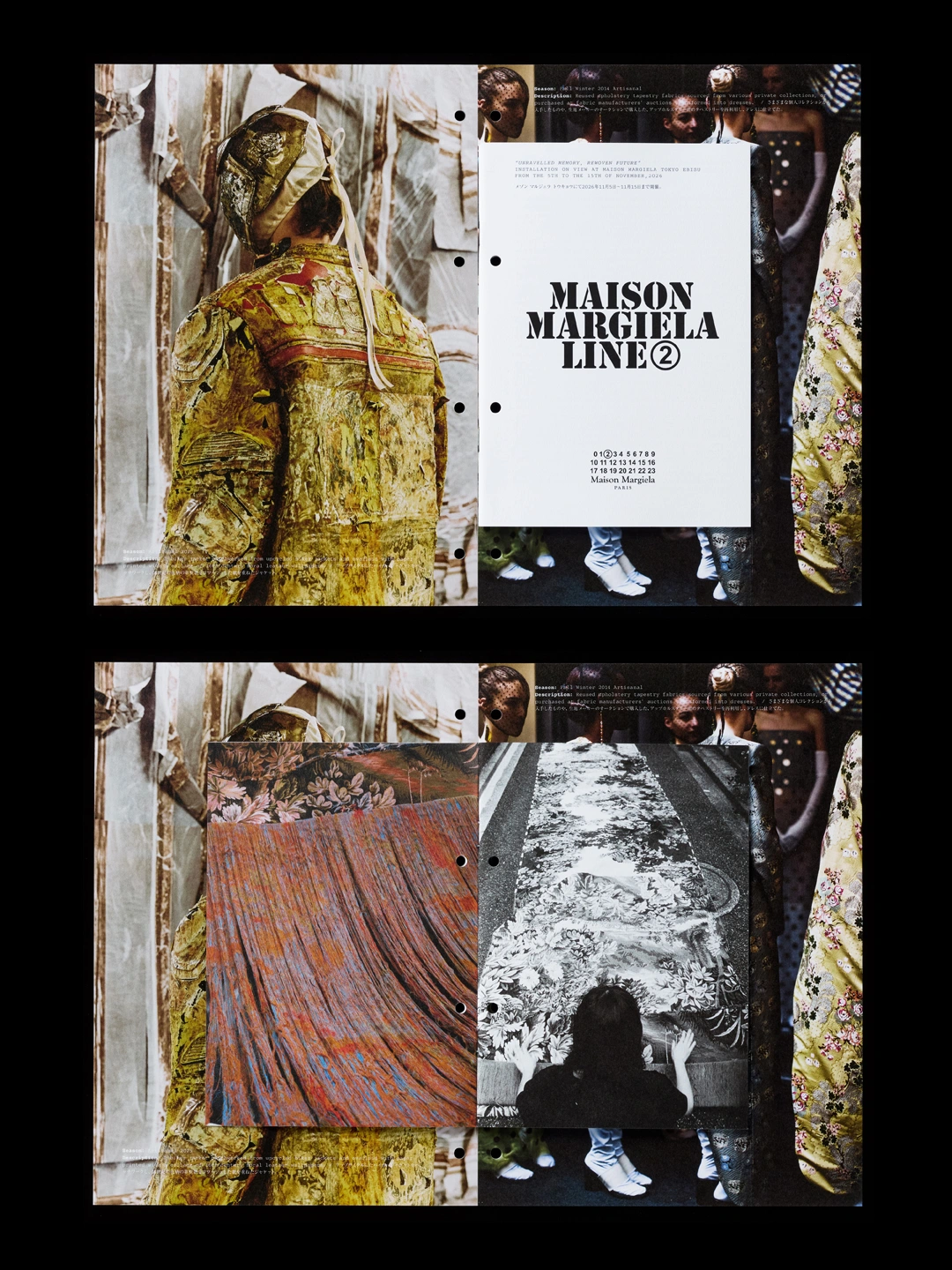
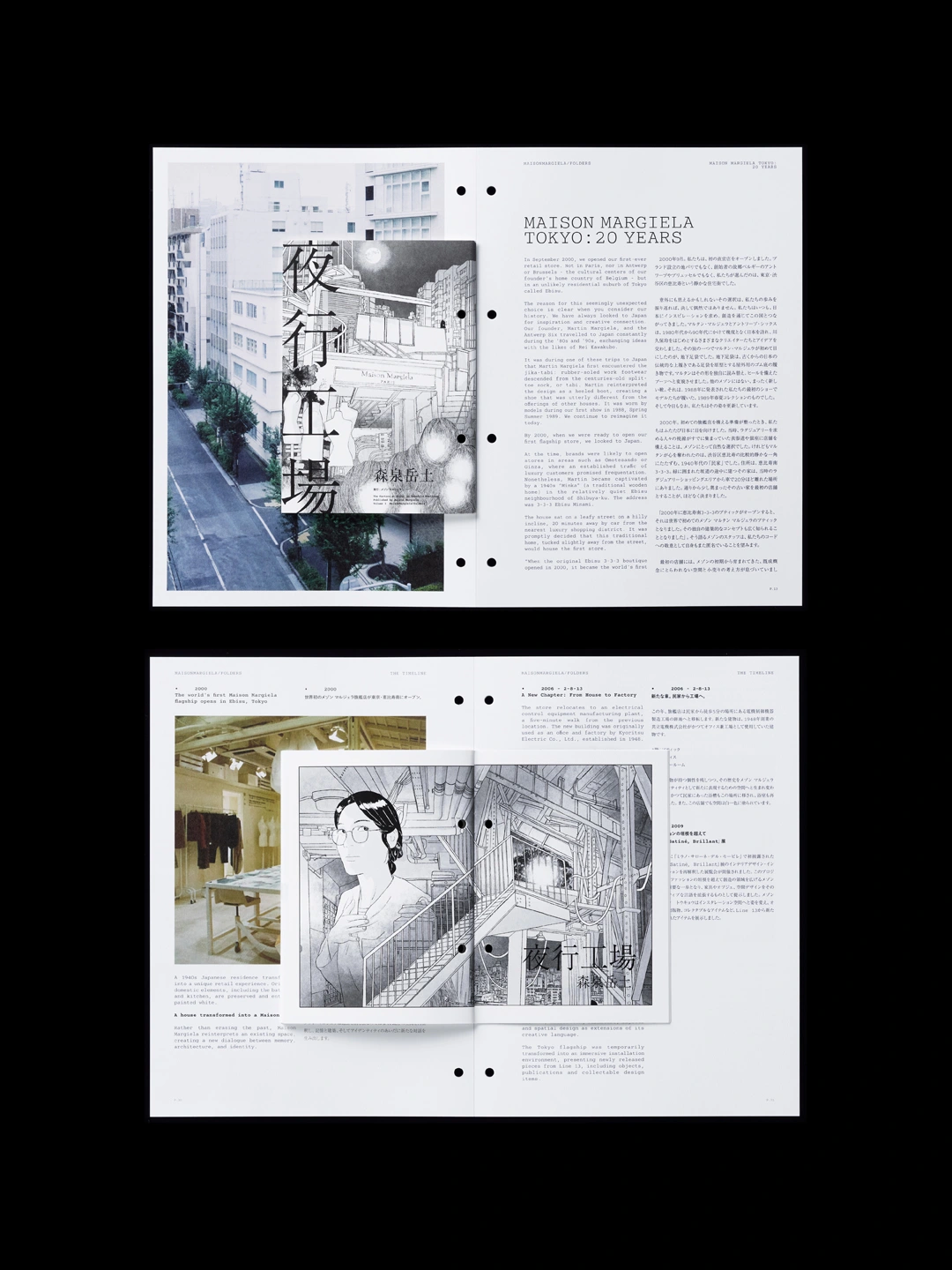
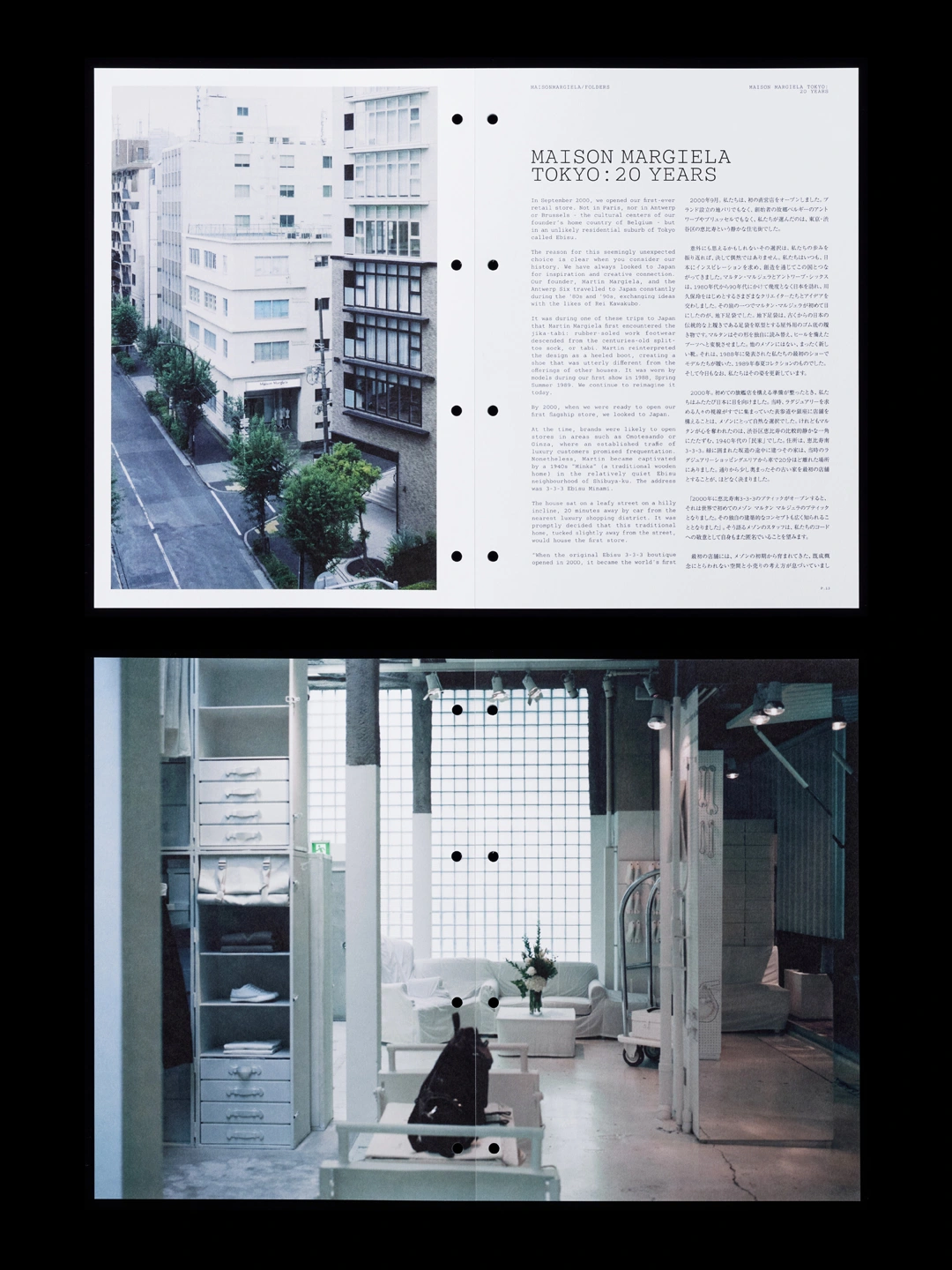
The result is the latest chapter of MaisonMargiela/folders, the house’s ongoing research project, which this time takes the form of a limited-edition zine that went out on 5 November to newsstands around the neighbourhood and to the store, with a digital version made available to everyone else online.
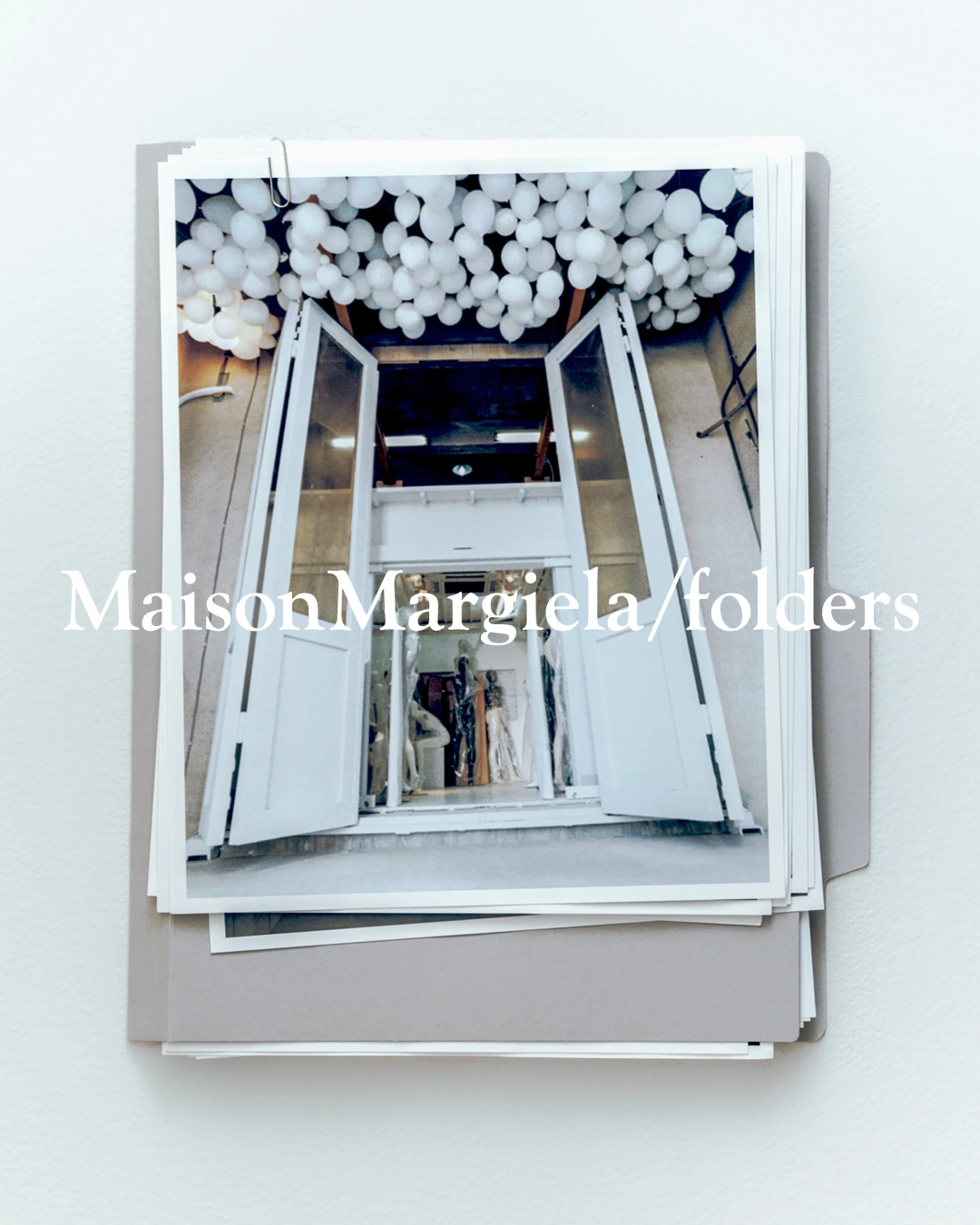
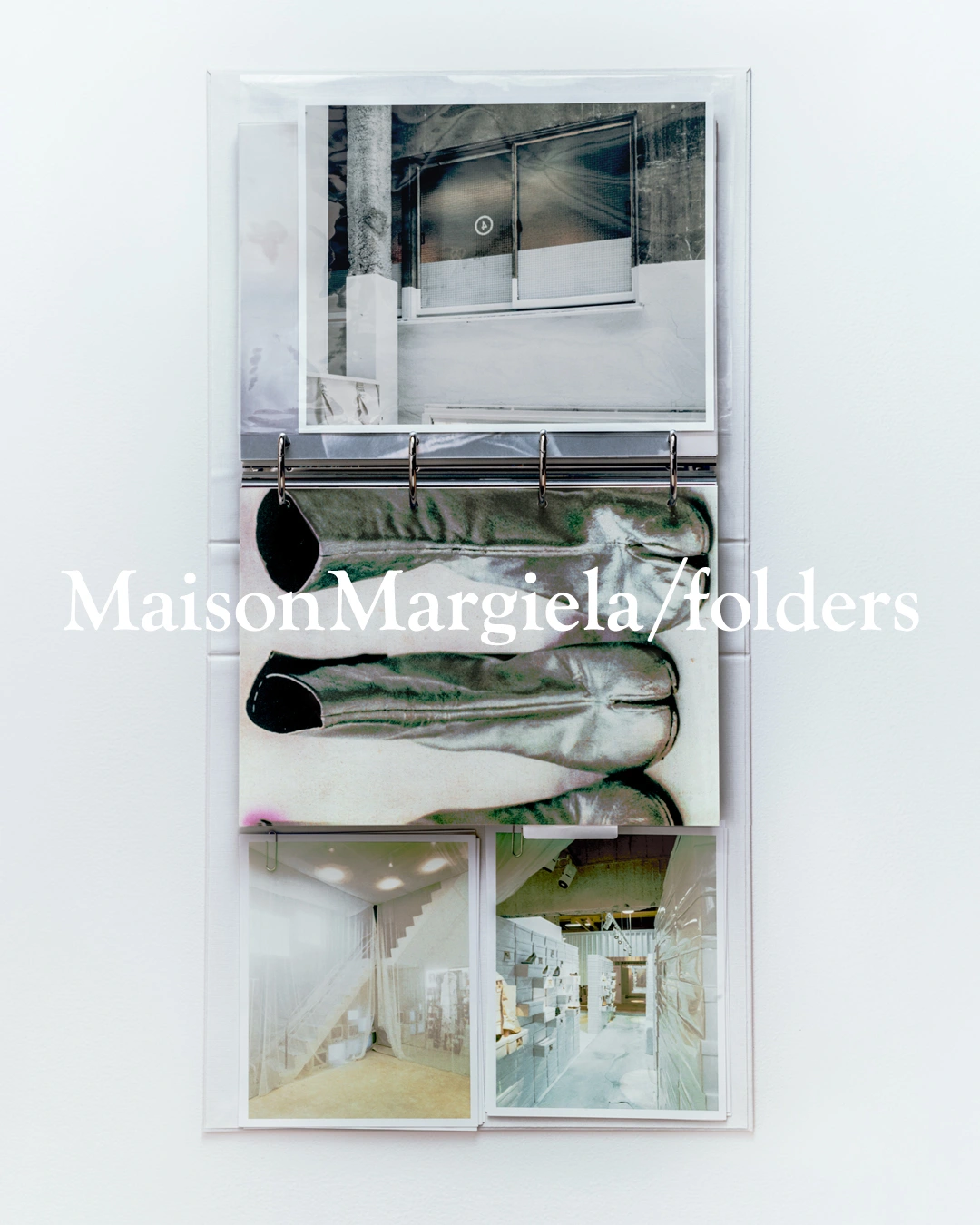
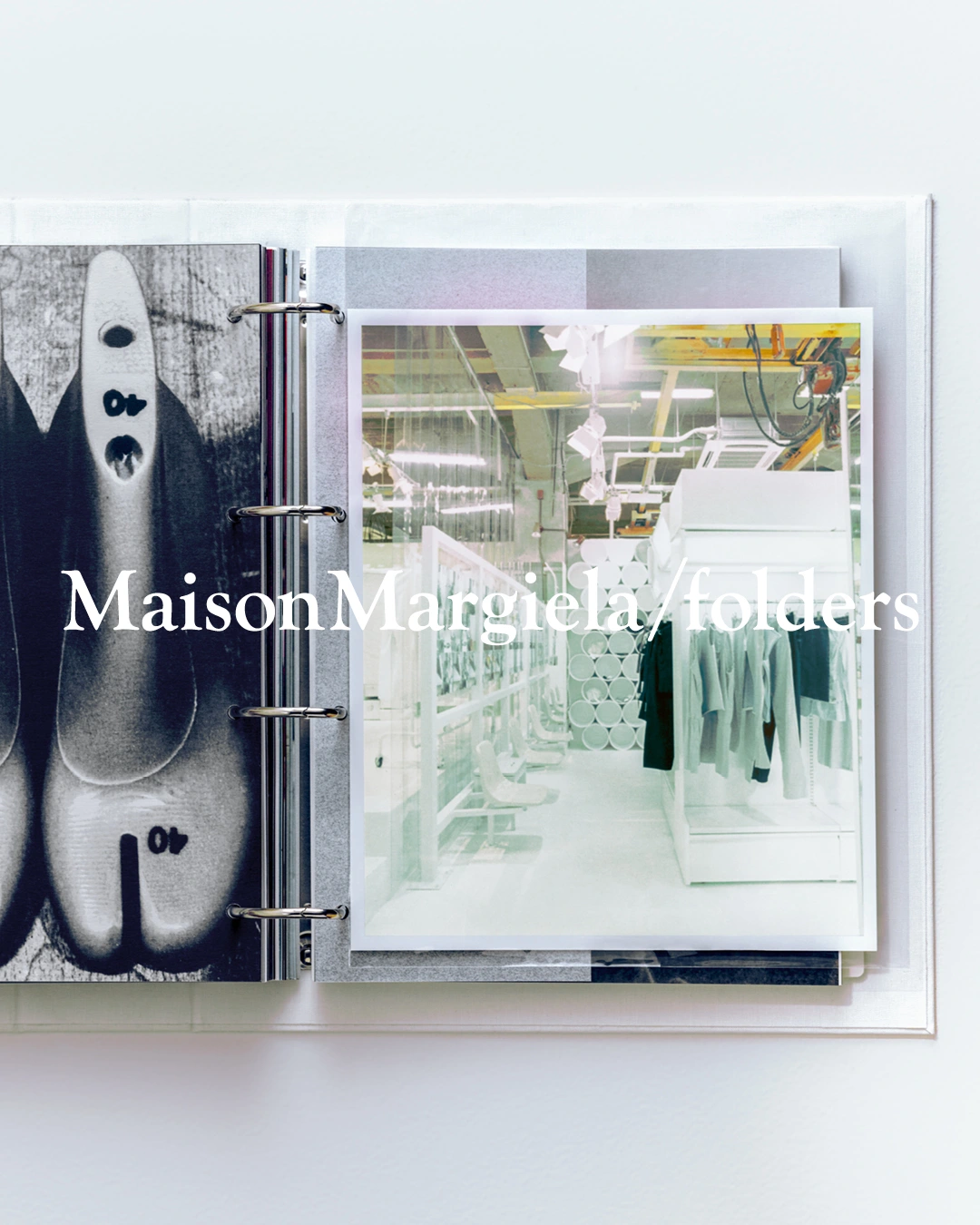
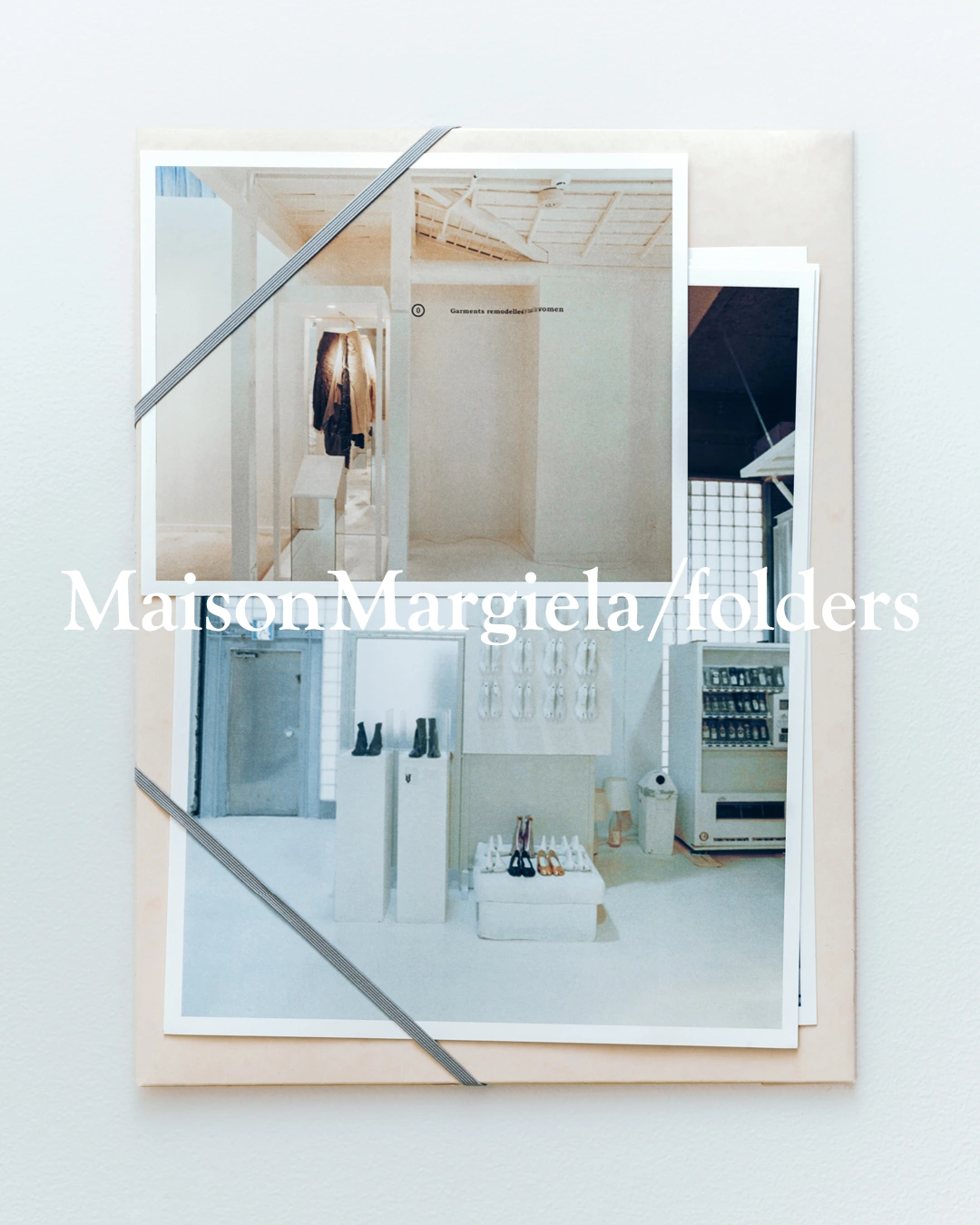
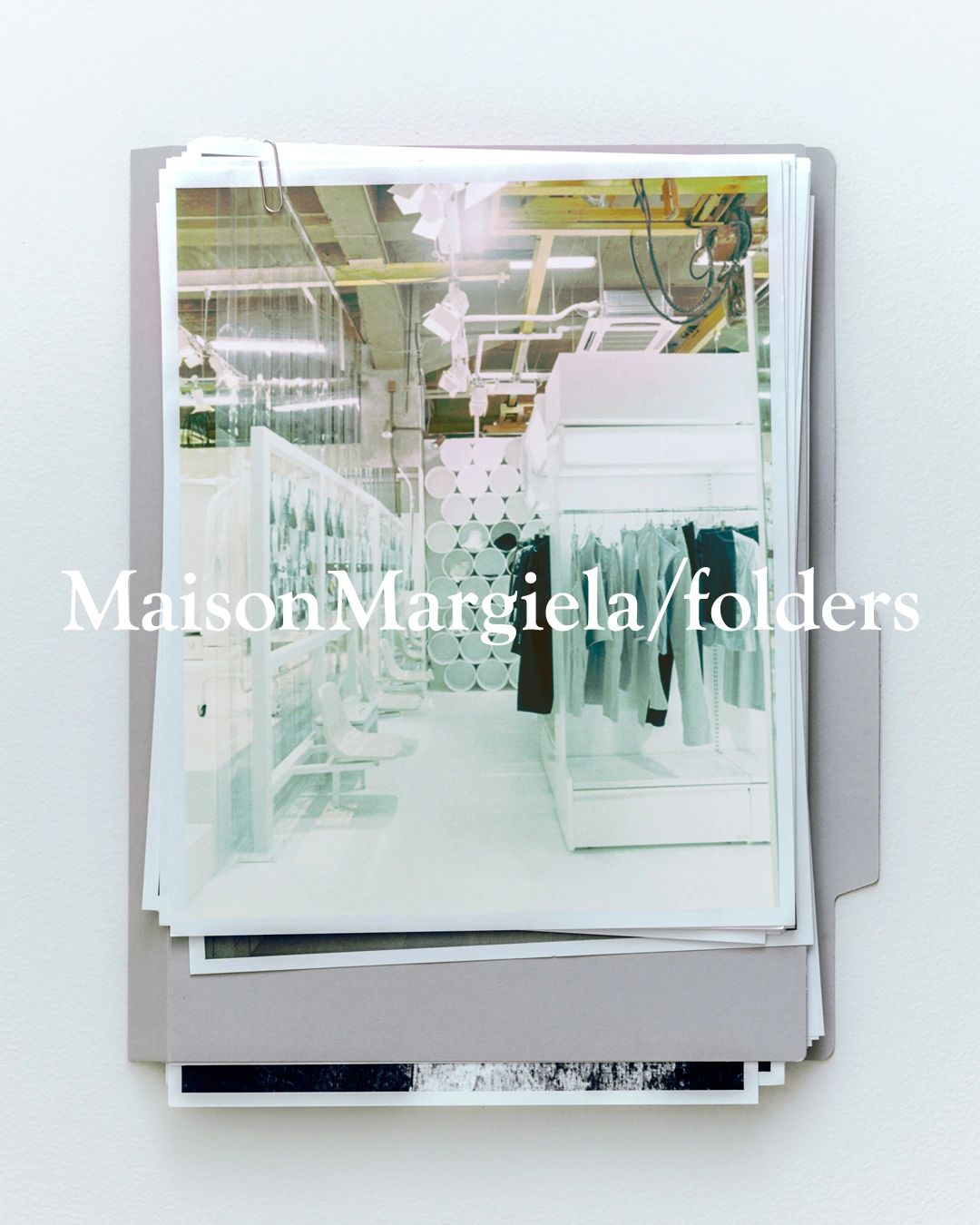
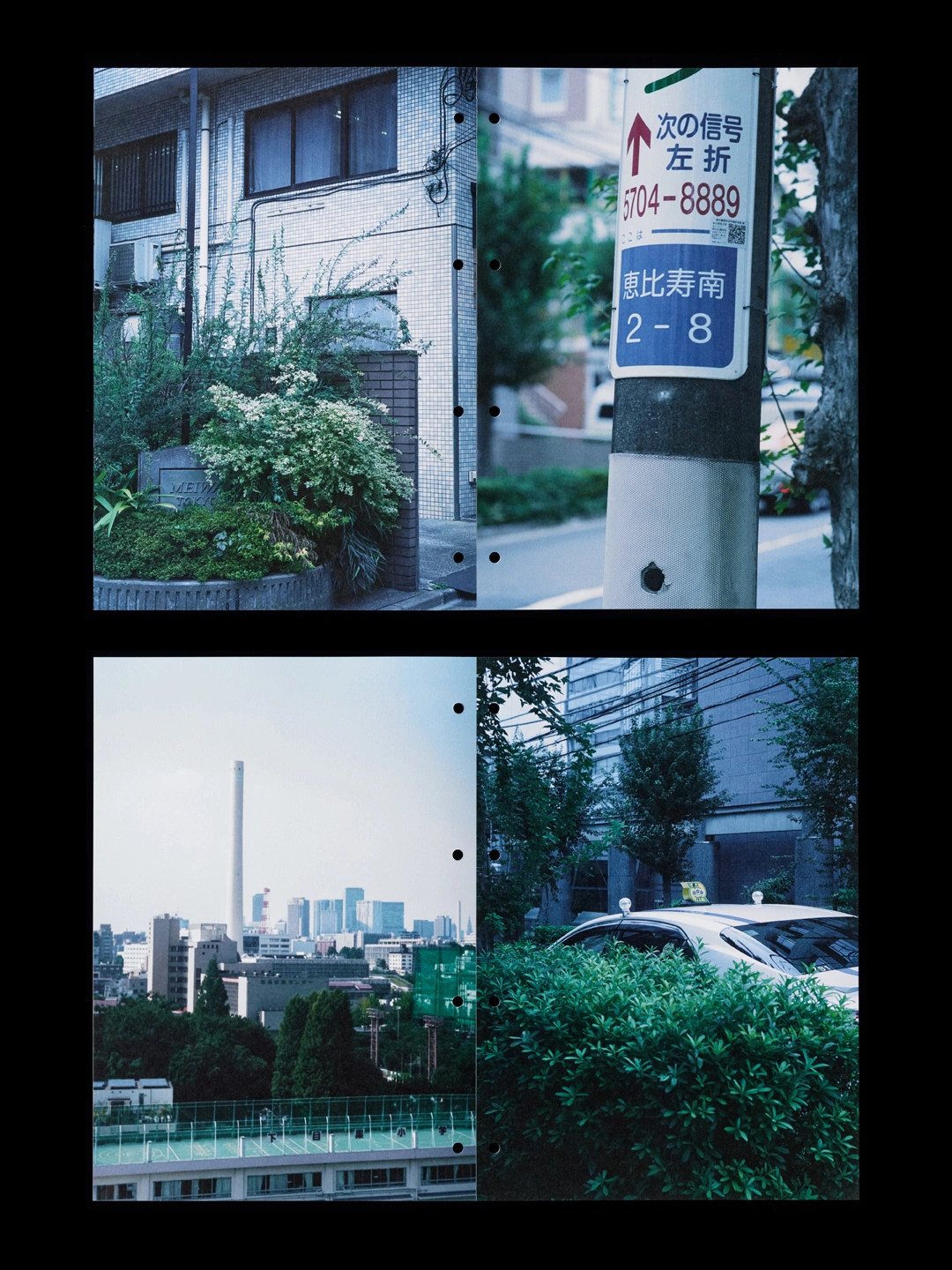
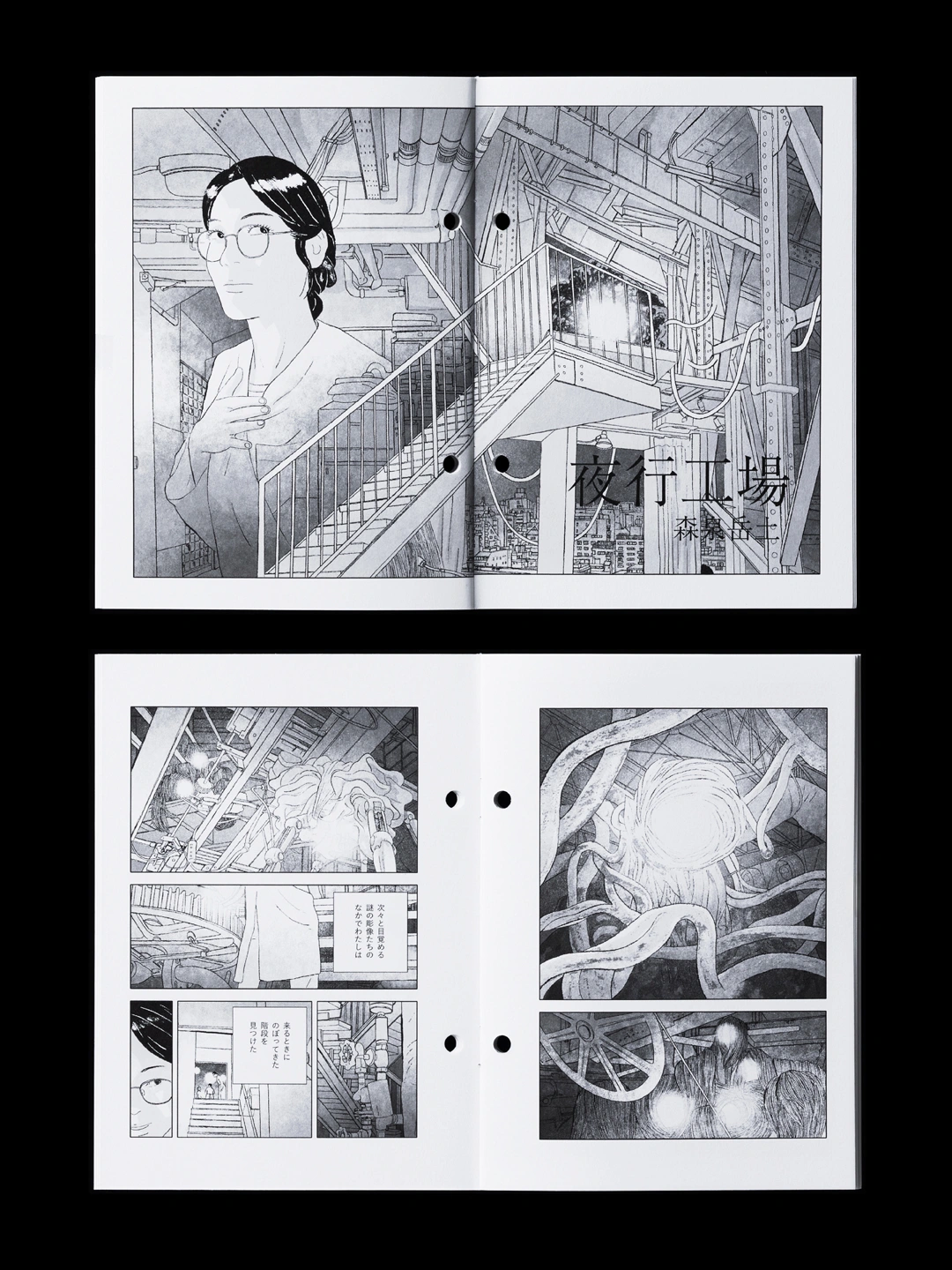
The zine has clearly been built over months rather than weeks, piecing together how the store was first conceived from material in the archive and from the memories of staff who were there at the start, a good number of whom still work on the shop floor today. It also traces the history of the Tabi, a shoe that has always had a particular following in Japan, and speaks to local collectors including the artist and shoe designer Noritaka Tatehana as well as a specialist who restores worn Tabi, while the photographer Takashi Homma was brought in to document the building and the area around it. The most charming addition is a manga by Takehito Moriizumi that draws its story from the site’s past life as a factory that made electrical goods.
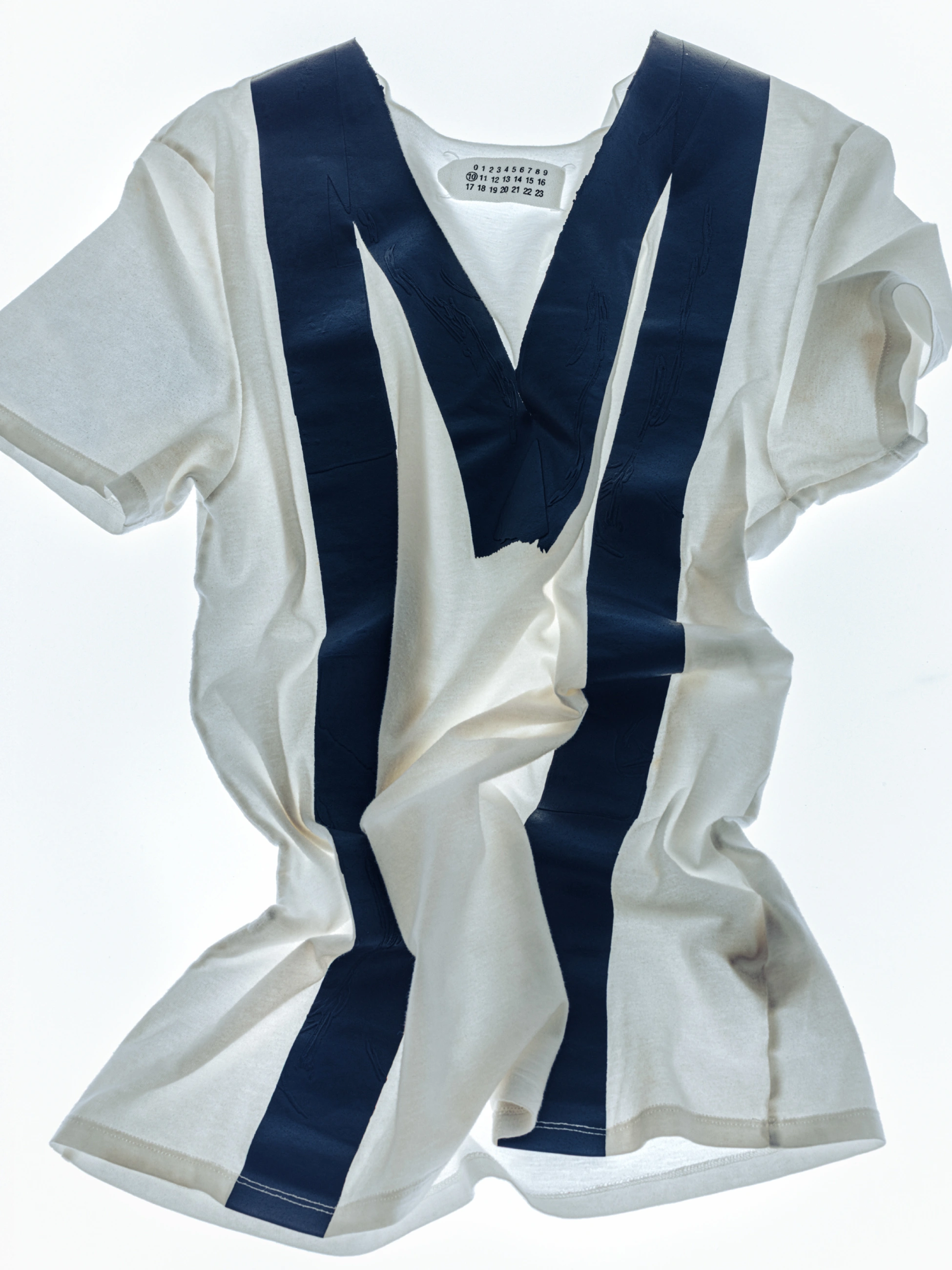
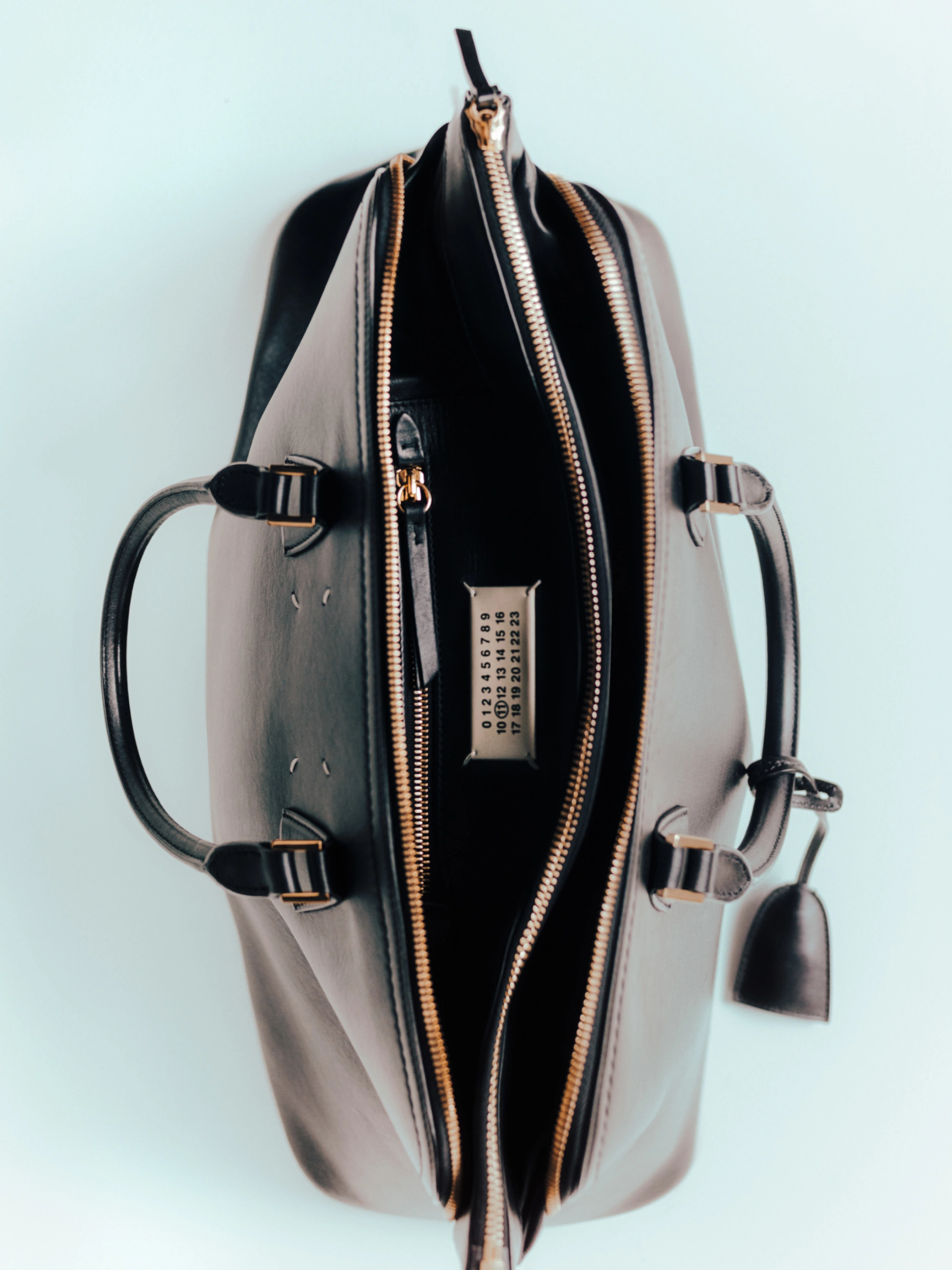

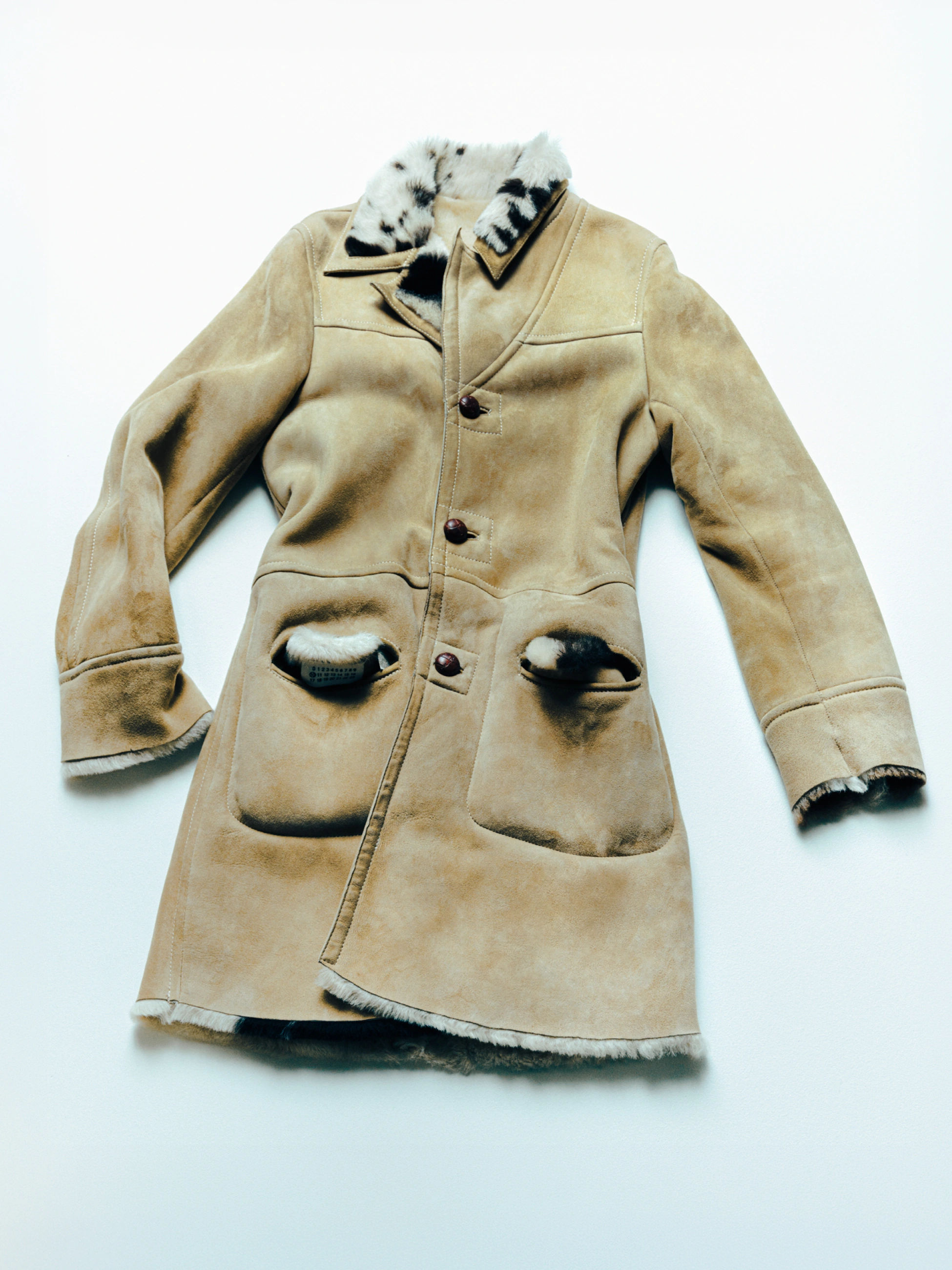
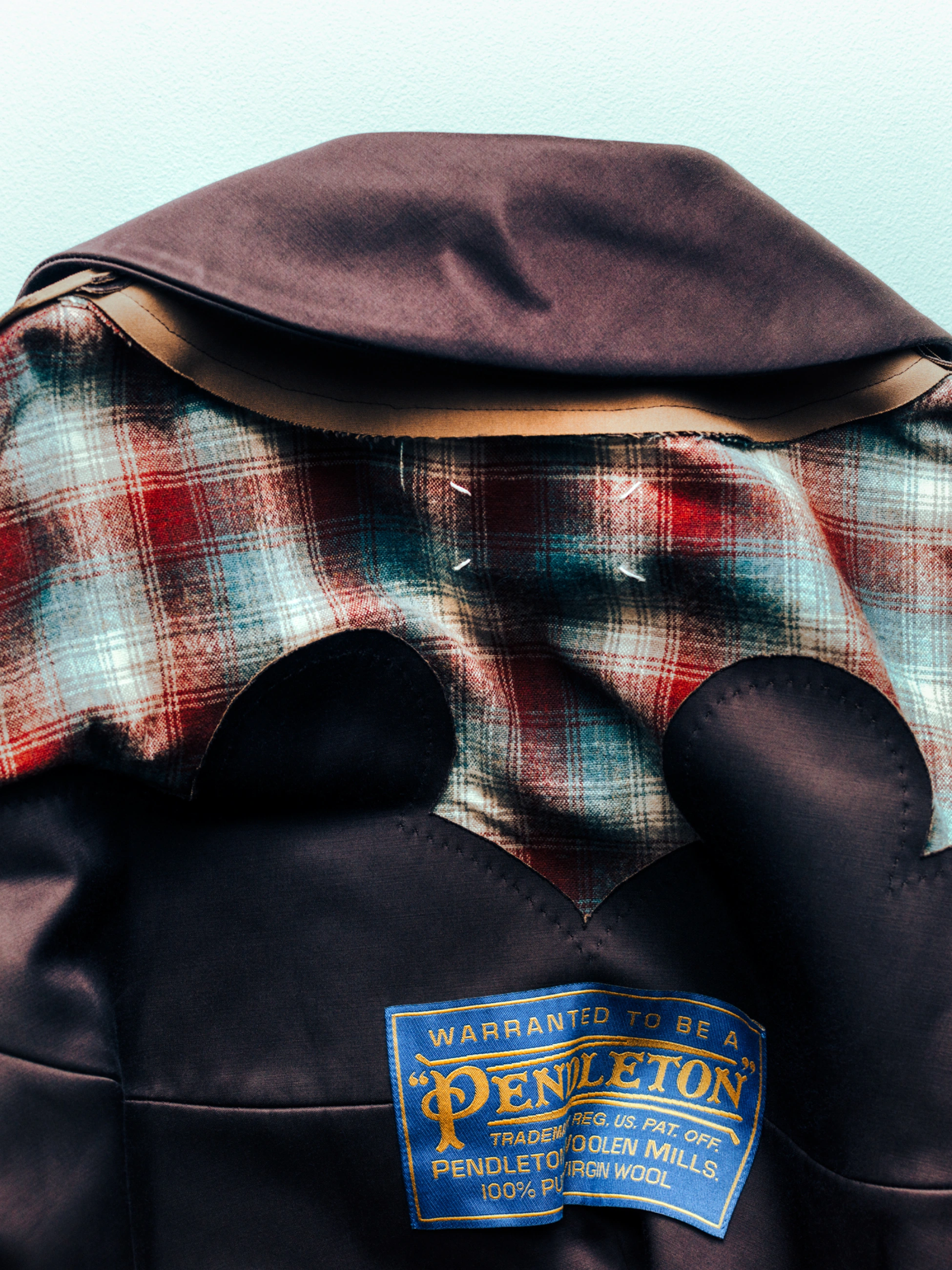
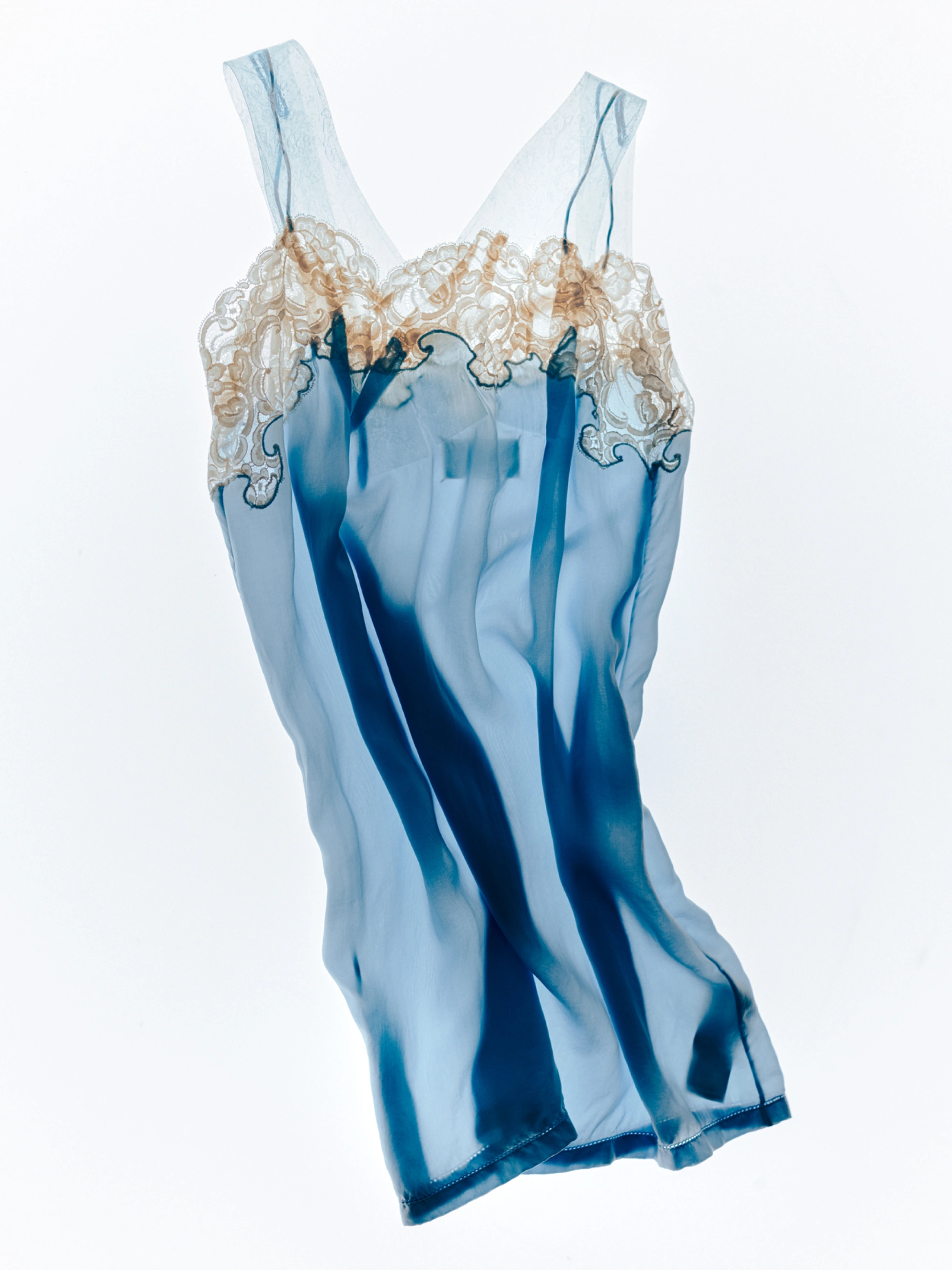
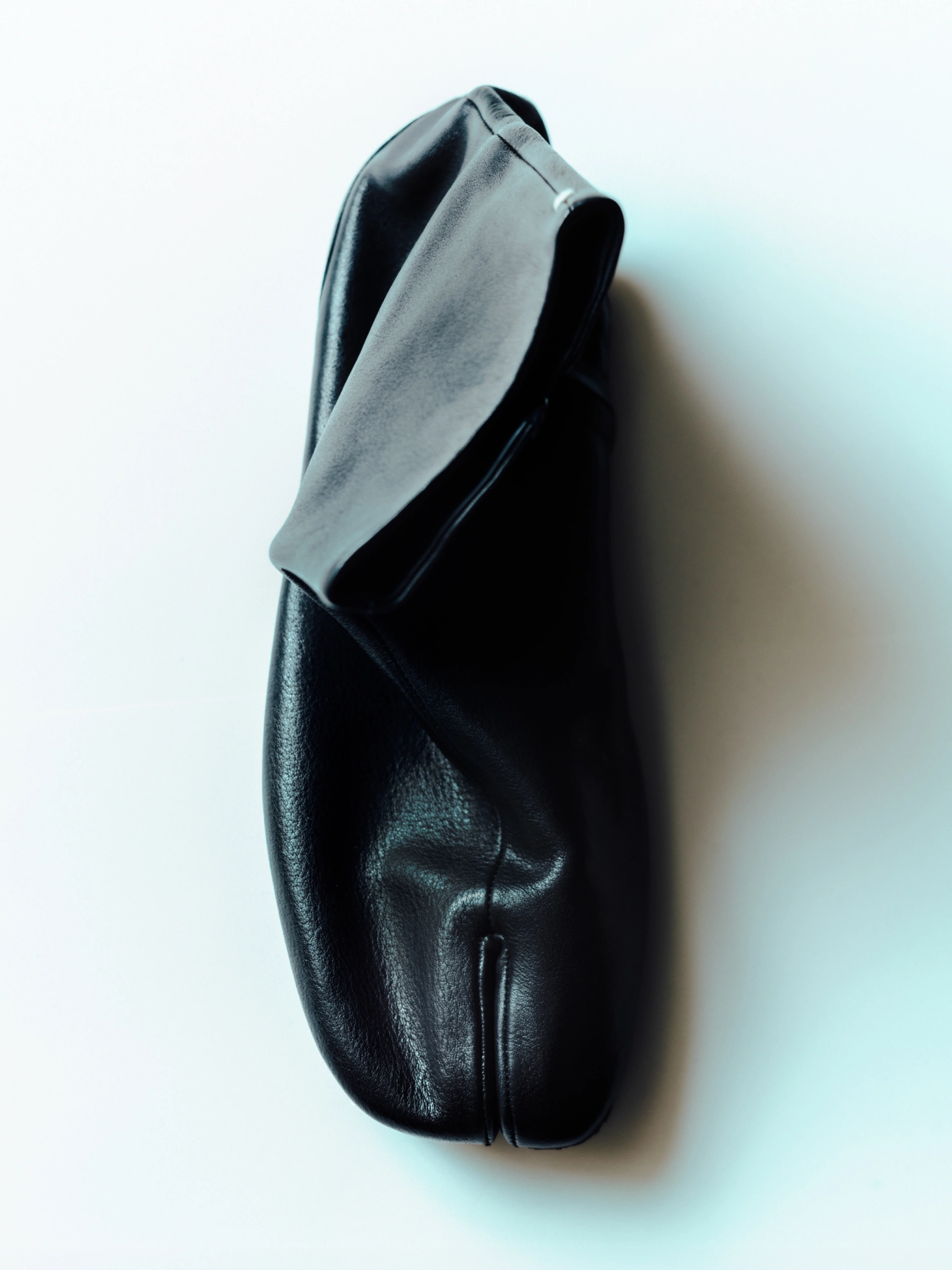


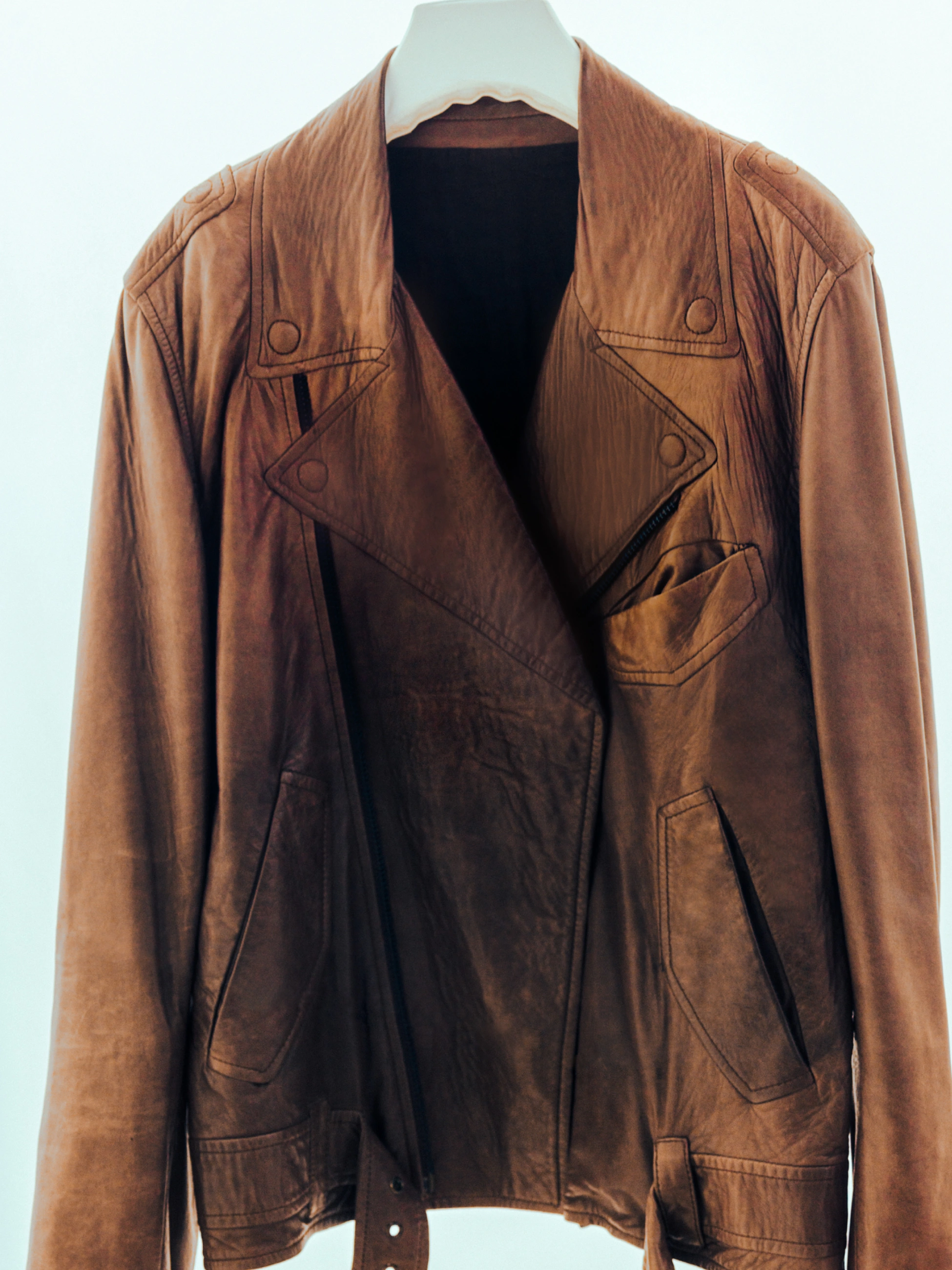
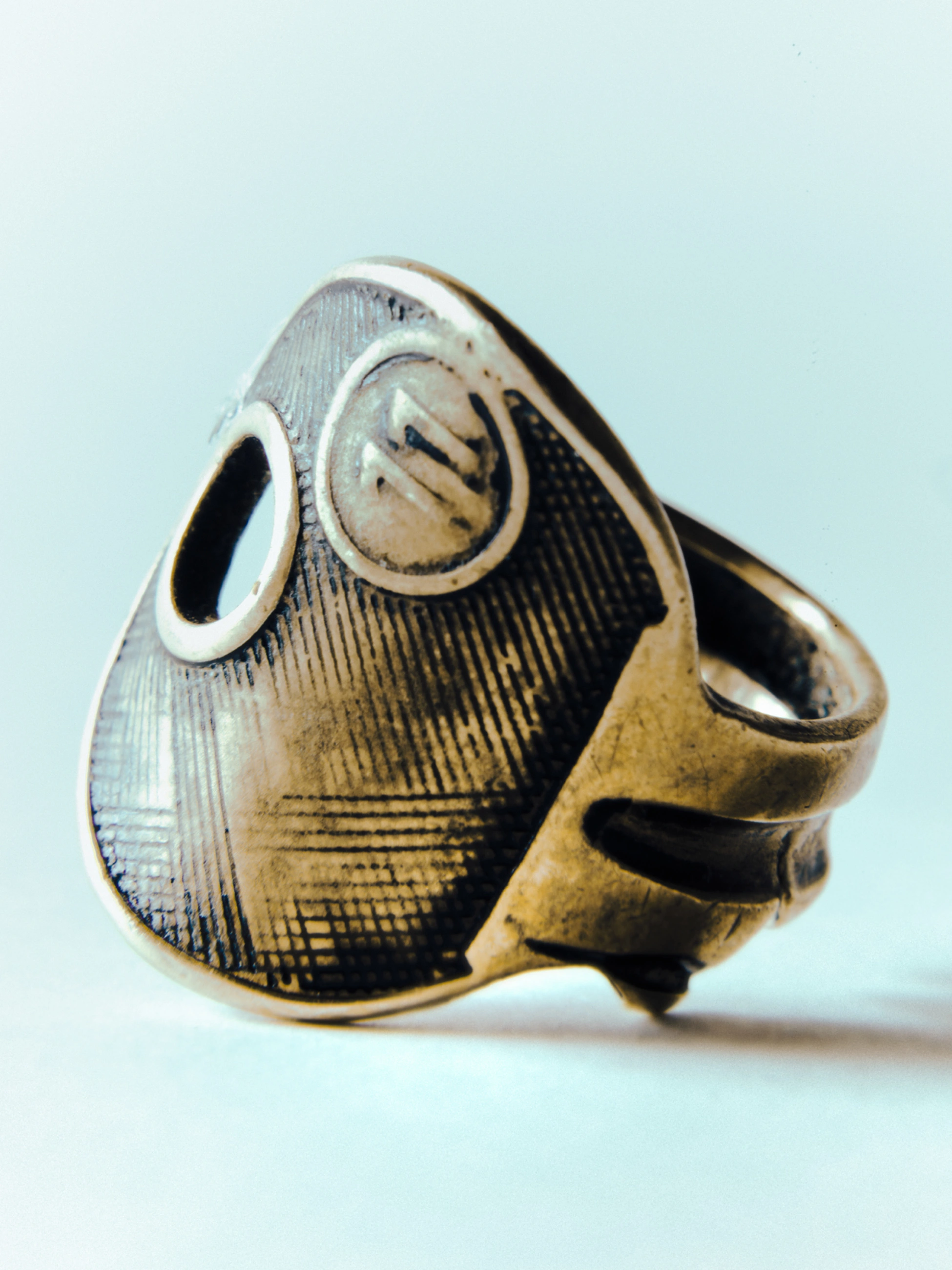
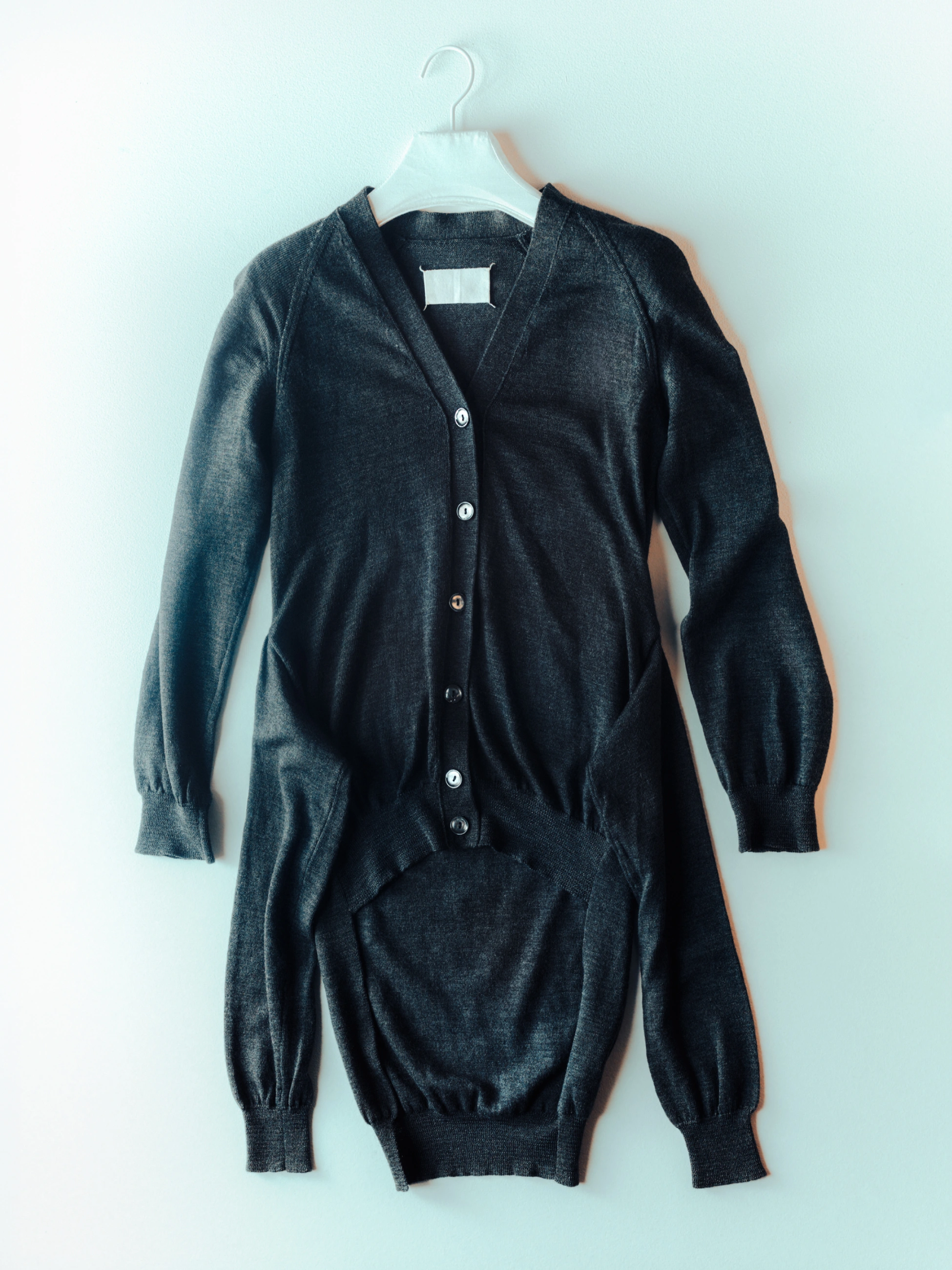
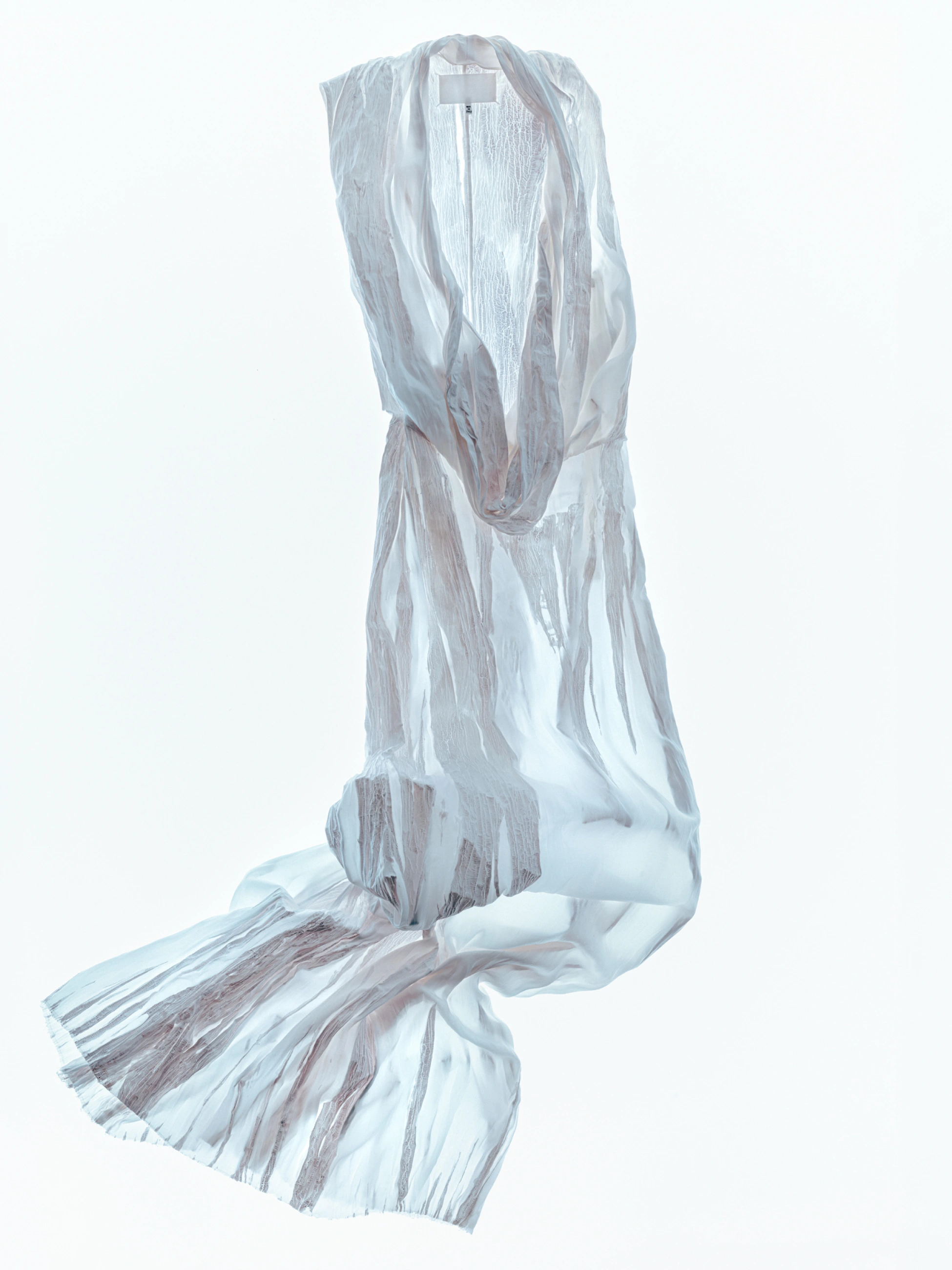
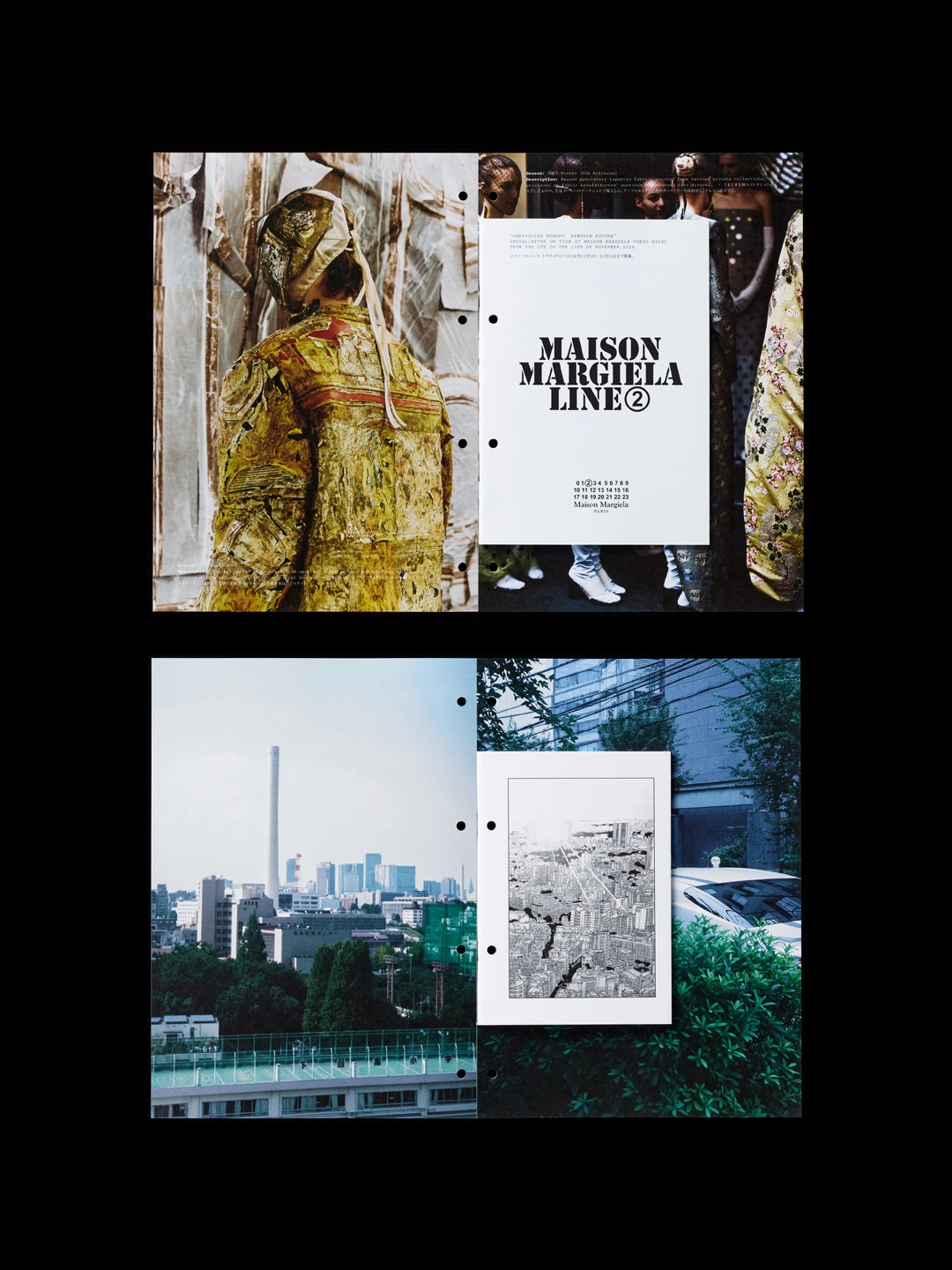
Inside the store, the second instalment of Line 2, the house’s series of unlikely creative pairings, brings together the Tokyo textile artist Mio Suzuki and Les Manufactures Nationales – Sèvres & Mobilier National, the French institution whose tapestry workshops date back to Louis XIV. The French side chose 59 tapestries, some contemporary and others picked up at flea markets and as much as four centuries old, and sent them to Tokyo, where Suzuki spent three months pulling them apart thread by thread and weaving them back together into the pieces that now run from the entrance through the whole space.
Among the oldest are verdure tapestries, European works whose plant designs were themselves borrowed from Japanese decorative art, so the material has in a sense made the journey east twice. Titled Unravelled Memory, Rewoven Future, the installation follows on from the house’s work with tapestry, which goes back to the 1990s and reappeared in its Artisanal 2025 and Autumn/Winter 2026 collections.

The anniversary was marked with a party at the store, soundtracked on vinyl by Wataru Fukuyama of the Ebisu listening bar Bar Martha, with Tao Okamoto among the guests dressed in Fall Winter 2026 and the architects Kengo Kuma and Shohei Shigematsu also in the room.
The only real frustration is how much of the project depends on actually being in Ebisu, since the printed zine was handed out locally and the installation closes on 15 November, leaving most readers outside Tokyo with a download link in place of the object itself. Even so, it is a thoughtful way for a house built on reworking old material to celebrate a store that was itself made out of an old factory.